
What Does an E Cup Actually Mean?
One of the most common questions we hear is:
"I've just discovered I'm an E cup. Is that considered large?"
The short answer? Not at all.
In fact, E cup is one of the most commonly fitted cup sizes among women with fuller busts and smaller band sizes. Yet for many women, being told they're an E cup comes as a complete surprise.
Why?
Because many of us grew up believing that D and DD cups were the "large" sizes. If you've shopped in department stores or chain lingerie retailers, DD is often the largest cup available on the rack. Once you move beyond mainstream sizing and explore specialist bra brands, you'll quickly discover that DD is only the beginning of the size range.
Let's break it down.
What Is An E Cup Bra?
An E cup is a cup size used in Australian and UK bra sizing systems.
Cup size is determined by the difference between your underbust measurement and your fullest bust measurement. As this difference increases, so does the cup size.
The cup progression typically follows:
D → DD → E → F → FF → G → GG → H → HH → J
This means that E cup sits directly above DD and below F.
Many women who currently wear a 10DD, 12DD or 14DD discover during a proper fitting that they actually need an E cup, F cup or even FF cup.
This doesn't mean their breasts suddenly became larger. It simply means they have finally found a size that accurately reflects their proportions.
The Biggest Bra Sizing Myth
One of the most common misconceptions in bra fitting is that cup letters represent a fixed breast size.
They don't.
An E cup is not a specific breast size.
An 8E, 10E, 12E, 14E and 16E all have completely different cup volumes.
The cup letter only makes sense when paired with a band size.
For example:
An 8E has a much smaller cup volume than a 16E
A 10F has a similar cup volume to a 12E
A 12DD has a similar cup volume to a 10E
This is why asking whether someone is "an E cup" doesn't tell the whole story. The complete bra size is what matters.
Understanding Cup Progression
When women first discover specialist lingerie sizing, they are often surprised by how many cup sizes exist beyond DD.
A typical progression looks like this:
Cup SizeD CupDD CupE CupF CupFF CupG CupGG CupH CupHH CupJ Cup
At Fulfilled Bras, we specialise in sizes ranging from D through to J cup, with band sizes starting from a size 8.
For many women, finding their correct size means moving beyond the limited size range offered by mainstream retailers and discovering a size they never knew existed.
What Are Sister Sizes?
This is where bra sizing gets interesting and confusing!
Every bra size has what are known as sister sizes.
Sister sizes have a similar cup volume but a different band size.
As a general rule:
Go down a band size = Go up a cup size
Go up a band size = Go down a cup size
This allows the overall cup volume to remain similar while adjusting the fit around your ribcage.
E Cup Sister Sizes Explained
Let's look at some common E cup sister sizes.
Your Size = 8E
Smaller Band, Same Cup Volume = 6F
Larger Band, Same Cup Volume = 10DD
Although these sizes share similar cup volumes, they won't necessarily feel the same when worn.
The band provides approximately 80% of your bra's support, so finding the correct band size remains incredibly important.
Think of sister sizing as a useful fitting tool rather than a permanent substitute for your true size.
Why Do So Many Women End Up In The Wrong Size?
After speaking with women every day and reading countless bra fitting reviews online, one thing becomes very clear:
Most women have never actually been shown how a bra should fit.
Many are wearing:
Bands that ride up at the back
Cups that cut into breast tissue
Straps that dig into the shoulders
Underwires sitting on breast tissue
Bras that feel uncomfortable after only a few hours
The result is a cycle of replacing bras without ever solving the underlying sizing issue.
Often the answer isn't a different bra.
It's a different size.
Could You Actually Be An E Cup?
If you currently wear a D cup or DD cup and experience any of the following, it may be worth checking your size:
Overflowing at the top of the cups
Spillage near the underarms
The centre of the bra lifting away from your chest
Shoulder straps carrying most of the support
A back band that rides upward
Many women are surprised to discover that moving into an E cup, F cup or FF cup actually creates a smoother silhouette, improves comfort and provides significantly better support.
The Fit Files Takeaway
An E cup is not an unusually large size.
It's simply one step in a much broader bra sizing system that many women never get the opportunity to explore.
Whether you're an 8E, 10E, 12E, 14E or 16E, understanding how cup sizes work and how sister sizing affects your fit, can completely change the way you shop for bras.
The right bra size isn't about the letter on the label.
It's about finding the combination of band and cup that supports your body properly, feels comfortable all day, and helps you feel confident in everything you wear.
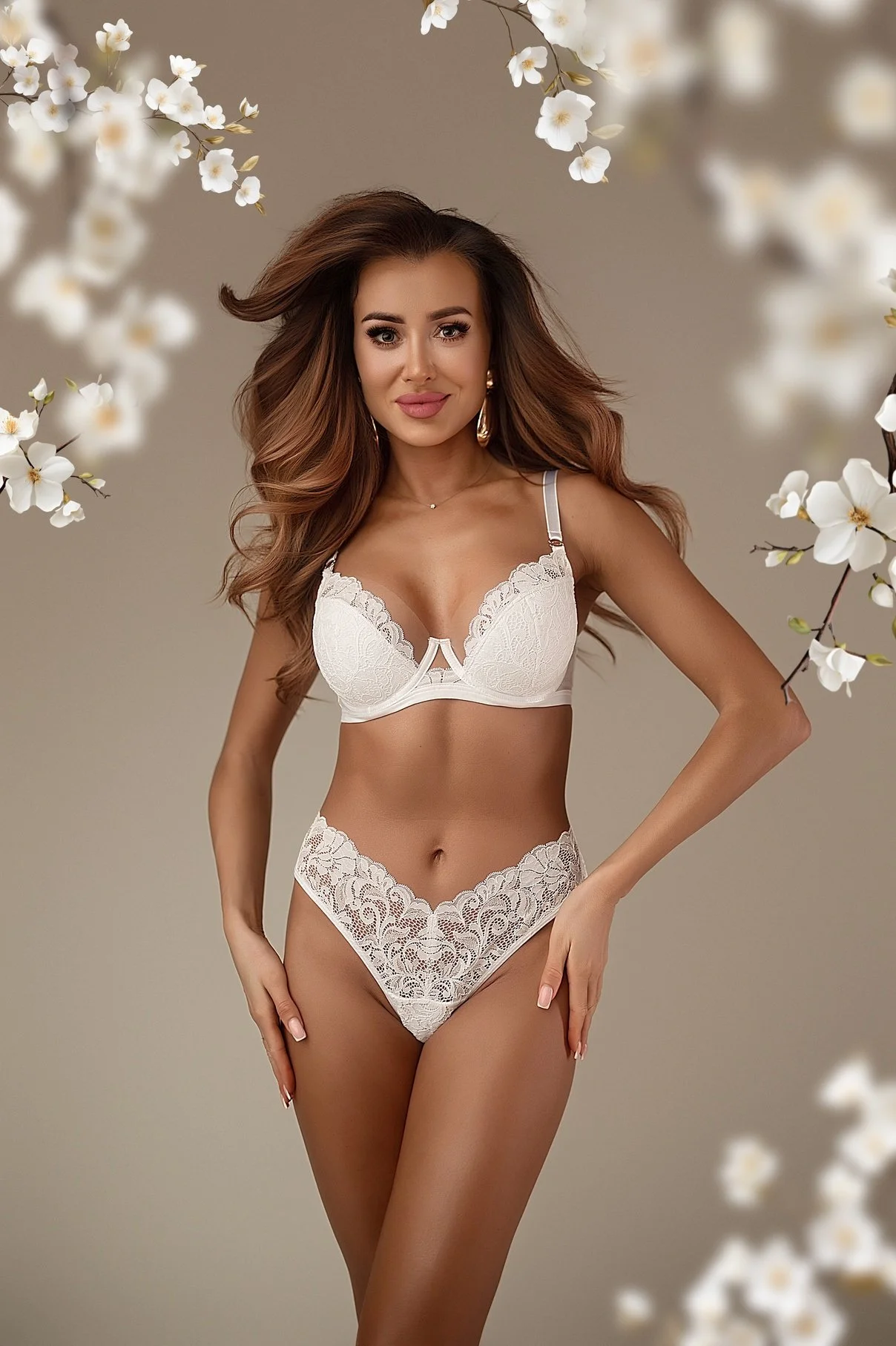
Why Semi-Soft Bras Are a Game Changer for Fuller Busts
Do You Have Empty Space at the Top of Your Bra?
If you’ve ever put on a bra and noticed wrinkling, gaping, or empty space at the top of the cup, you’re not alone.
Many fuller-busted women experience changes in breast shape after breastfeeding, weight loss, pregnancy, hormonal changes, or simply with age. While your cup volume may still require a larger cup size, your fullness may sit lower in the breast than it once did.
Unfortunately, many traditional full-cup bras aren’t designed for this shape.
The Problem With Rigid Full-Cup Bras
A lot of full-cup bras use firm fabrics throughout the entire cup. Others rely on moulded cups that hold a fixed shape.
The problem?
Your breasts are expected to fit the bra rather than the bra adapting to your shape.
This often leads to:
Gaping at the top of the cup
Wrinkling fabric
Lack of lift
Breasts sitting lower than you’d like
Constantly adjusting your bra throughout the day
Breast tissue escaping toward the centre of the bra
Many women assume they are wearing the wrong size when the real issue is that they are wearing the wrong bra construction.
Why Semi-Soft Bras Work So Well
Semi-soft bras combine two important features:
Supportive Lower Cup
The lower portion of the cup contains light padding or stabilising fabric that helps lift the breast from underneath.
This creates:
Better uplift
Improved projection
A more rounded shape
Enhanced support for larger cup sizes
Stretch Lace Upper Cup
The upper section of the cup is made from flexible stretch lace that gently adapts to your unique breast shape.
Instead of forcing your breast into a rigid mould, the lace moves with you.
This means:
Less gaping
Better containment
Greater comfort
A more customised fit
A smoother fit despite natural asymmetry
The Secret Fuller-Bust Women Wish They Knew Earlier
Many women have spent years wearing moulded bras because they believe they provide the best shape.
In reality, moulded bras often work best on breasts that are naturally fuller on top.
If you’ve breastfed, lost weight, or simply don’t have much upper fullness, moulded cups can leave obvious gaps at the neckline.
A well-designed semi-soft bra can often provide more lift, a better shape, and a more secure fit than a moulded bra ever could.
No More “Tucking Yourself Back In”
One of the most common complaints we hear from fuller-busted women is:
“I keep having to adjust myself throughout the day.”
If you’ve ever found yourself discreetly repositioning breast tissue back into your bra, your bra may not be providing enough containment where you need it.
The combination of a supportive lower cup and flexible stretch lace upper cup helps keep breast tissue comfortably contained while still adapting to your shape.
The result is a bra that works with your body instead of fighting against it.
Could a Semi-Soft Bra Change Everything?
If you’ve struggled with:
Empty space at the top of your cups
Gaping bras
Post-breastfeeding shape changes
Loss of upper fullness
Constant bra adjustments
Lack of lift in larger cup sizes
A semi-soft bra may be the fit solution you’ve been searching for.
Sometimes the answer isn’t a different size.
It’s a different construction.
And once you experience a semi-soft bra designed specifically for fuller busts, you’ll understand why so many women never go back.
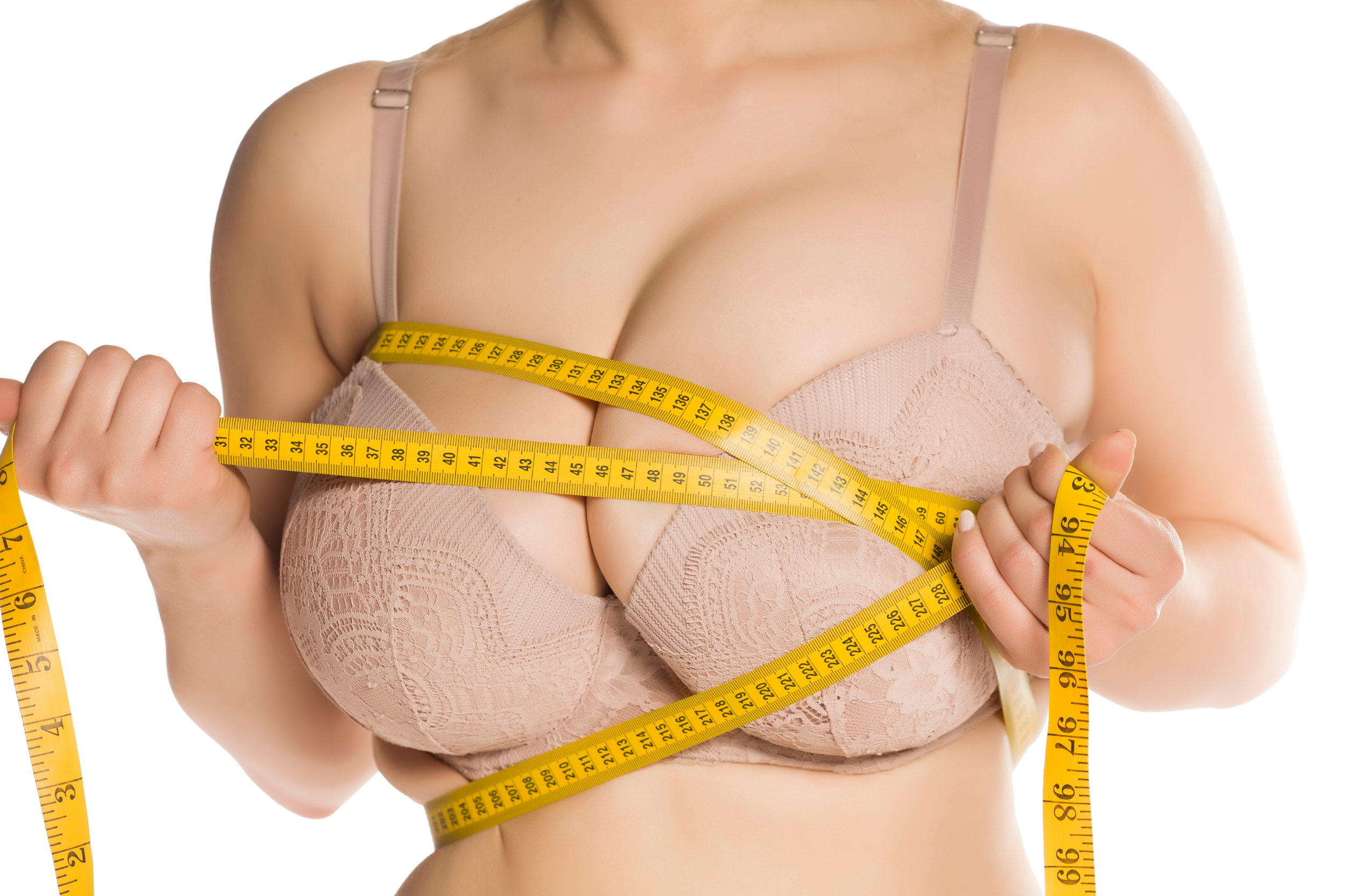
Why Polish Bras Have Become a Lifeline for Women with Smaller Frames and Fuller Busts
Why Polish Bras Have Become a Lifeline for Women with Smaller Frames and Fuller Busts
If you've ever been told you're a "hard fit," you're not alone.
Many women with fuller busts and smaller frames spend years struggling to find bras that genuinely fit their bodies.
The cups might be large enough, but the band feels loose.
The band fits, but the cups are too small.
The underwires sit too far under the arms.
The straps constantly slip.
The bra technically fits, yet somehow feels completely wrong.
At Fulfilled Bras, we see this every day.
And it's one of the reasons we are so passionate about Polish lingerie.
Because while many mainstream brands design for average proportions, Polish manufacturers have spent decades refining bras specifically for women with smaller backs and fuller busts.
The Challenge Most Brands Overlook
Many lingerie brands still design around what is considered an "average" size range.
As cup sizes increase, many manufacturers assume that band sizes should increase too.
In reality, that isn't always the case.
Women come in countless proportions.
Some women may wear a smaller band size such as an 8, 10 or 12 while requiring significantly larger cup volumes.
For these women, finding a supportive bra can feel almost impossible.
Historically, many brands simply didn't cater for this combination.
If you needed a larger cup, you were often expected to wear a larger band as well.
The result was a compromise rather than a true fit.
Poland Saw the Gap
While much of the lingerie industry focused on standard sizing, Polish manufacturers noticed something important.
Not all fuller-bust women have larger frames.
Many women require substantial support while maintaining a narrow ribcage and smaller overall body proportions.
Rather than treating these women as exceptions, Polish brands began designing specifically for them.
Over time, this became one of the defining characteristics of Polish lingerie.
Today, many Polish brands are internationally recognised for creating bras that cater exceptionally well to women with smaller backs and fuller cups.
Narrower Wires, Better Support
One of the most noticeable differences in many Polish bras is the wire shape.
Mainstream bras often become wider as cup sizes increase.
For women with narrower frames, this can create several problems.
The underwire may extend too far around the body.
The cups may feel too wide.
Breast tissue can be pushed towards the sides.
Support can become compromised.
Many Polish brands take a different approach.
Rather than simply increasing width, they focus on creating depth and projection within the cup.
This allows fuller busts to be supported without requiring excessively wide wires.
For women with narrower breast roots, the difference can be remarkable.
Understanding Projection
Projection is one of the most important concepts in bra fitting, yet many women have never heard the term.
Projection refers to how far the breast extends forward from the chest wall.
Many fuller-bust women are naturally more projected.
However, many mainstream bras create volume by increasing width rather than depth.
This means the bra may technically hold the volume but fail to accommodate the shape.
Polish lingerie is often designed with significantly more projection built into the cup.
Instead of spreading the bust sideways, the construction supports the breast forward and upward.
This creates:
• Better lift
• Improved support
• Greater comfort
• A more balanced silhouette
• Less pressure on the underwire
For many women, this is the first time a bra truly feels like it fits their shape.
Smaller Band Sizes Matter
A supportive bra begins with a supportive band.
For women with fuller busts, this is especially important.
Unfortunately, many brands historically offered limited combinations of smaller bands with larger cups.
Polish manufacturers recognised that support should not depend on increasing the band size.
As a result, many Polish collections offer an impressive range of cup sizes paired with smaller bands.
This allows women to achieve a secure fit around the ribcage without compromising cup volume.
The result is better support, improved comfort and a more stable fit throughout the day.
Engineering Designed for Real Bodies
One of the reasons Polish bras perform so well is that they are often designed from an engineering perspective rather than simply a fashion perspective.
Every component serves a purpose.
Side support panels help guide tissue forward.
Multi-part cups create shape and lift.
Reinforced lower cups provide support.
Carefully selected materials help maintain structure.
The focus is not simply on creating a beautiful bra.
The focus is on creating a beautiful bra that works.
Why So Many Women Discover Polish Lingerie Later in Life
One thing we hear regularly is:
"I wish I'd found these years ago."
Many women spend years believing discomfort is normal.
They assume straps should dig in.
They assume bands should ride up.
They assume underwires should be uncomfortable.
Often, they simply haven't been introduced to bras designed for their proportions.
When they finally experience a bra created for a fuller bust and a smaller frame, everything changes.
The fit feels different.
The support feels different.
Even clothing can sit differently on the body.
The Fulfilled Bras Difference
At Fulfilled Bras, we specialise in helping women who have struggled to find bras that truly fit.
Many of our collections come from manufacturers who have spent decades perfecting the art of supporting fuller busts on smaller frames.
We choose these brands because they understand what so many women have been searching for:
Support without compromise.
Comfort without sacrificing beauty.
Engineering without losing elegance.
Because when a bra is designed specifically for your shape, you stop adapting your body to fit the bra.
Instead, the bra finally fits you.
And that is exactly how it should be.